When Is a Dog Middle-Aged? 7 Things to Know Before the Senior Years

There isn’t one age when every dog becomes middle-aged. It depends on their size, breed, and how long dogs like them tend to live. Your vet can help you work out where your dog fits.
Of course, you spend more time with your dog than anyone at the clinic does. You may already have noticed something: they wait at the bottom of the stairs, or leave a walk early when they used to want another lap. When you know their habits so well, those changes can be hard to miss. And yes, it’s upsetting to think about them getting older.
Before you put it all down to age, here are seven things worth knowing.
Don’t Wait for a Gray Muzzle to Think About Their Next Chapter
If your dog is still keen for walks and eating well, getting older may not be on your mind. Bring it up at their next checkup anyway.
Your vet can check their weight and muscle, look at their teeth, and decide whether blood or urine tests would be useful. Some health problems show up in an exam or test before you notice anything at home.
Normal results are useful, too. They give the vet a record of how your dog was doing while well. If a result changes next year, there’s something to compare it with.
Ask, “What should we be keeping track of at this age?” The answer will depend on your dog’s health and breed, not just their birthday.
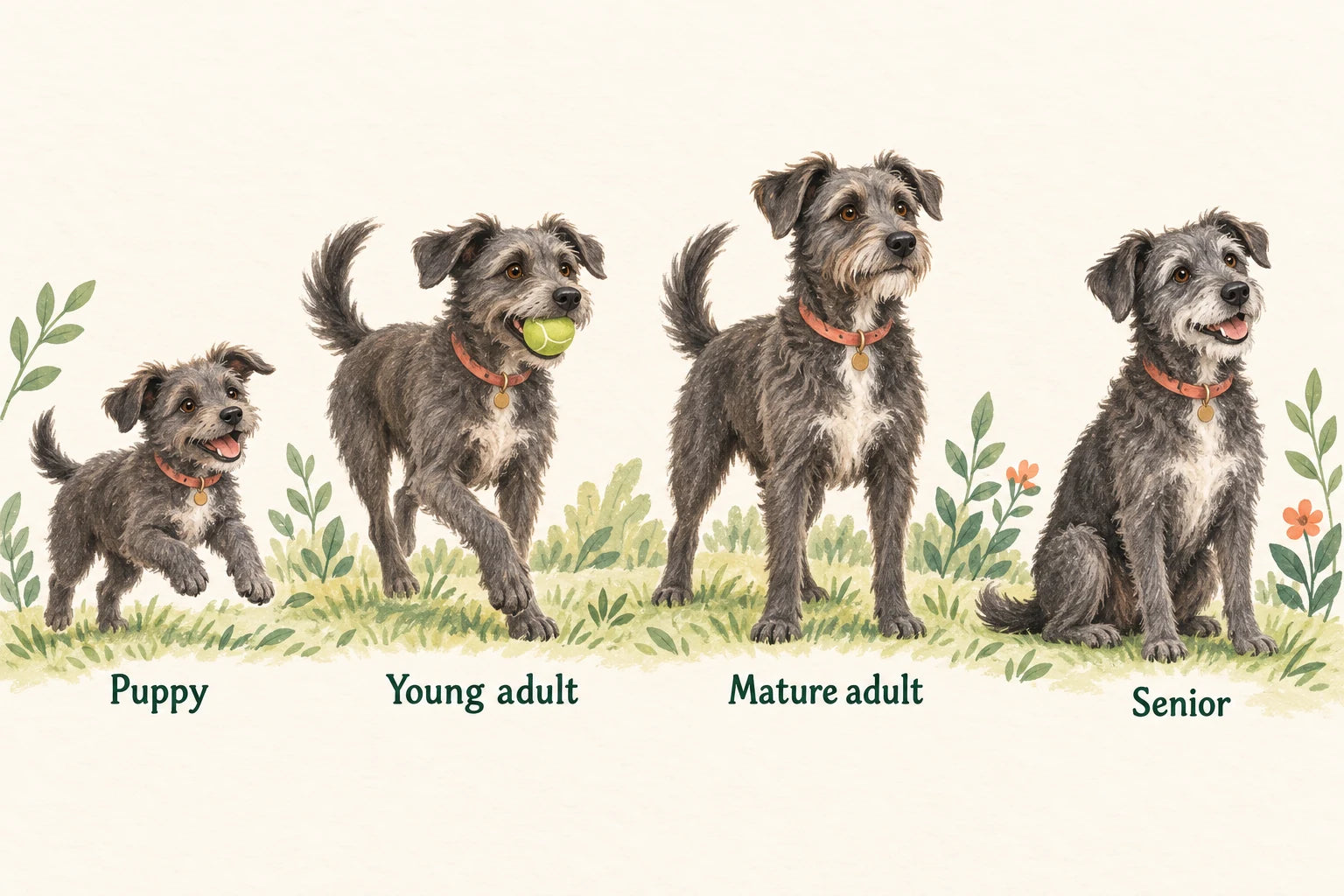
When does middle age start for your dog?
If you own one of the smaller dogs, the vet might mention senior care a bit later than with a bigger dog.
Most dogs finish growing and maturing socially by about 3 or 4. At that point, she's grown up, with her old lady years still to come.
Her senior years are roughly the last few years of her life. When that starts depends on how long dogs of her size and breed tend to live.
Your vet will also look at her health to decide what care she needs. You don't have to pull out a chart and start worrying when that day comes.

What should you mention when you call the vet?
Is she leaving food in the bowl she used to lick spotless after every meal? Or have you found yourself getting up to let her out more often & noticing she's drinking a lot more as well?
Pick up the phone to the clinic and give them the details of what's changed. How soon you should get her in for a checkup will depend on what you tell them.
Take a minute to think back to when you first noticed this. It's more helpful to say “she stopped halfway up the stairs twice this week” than say she's getting old. While you're on the phone, mention how often it's happening as well.
Is her weight still right for her?
Losing a few pounds sounds good if your dog was getting a bit heavy. Have you changed anything though? Less food, more walks, etc? If the answer is no, you'd want to ask the vet why the weight is coming off.
Ask about muscle loss as well. She could have less muscle than before and still be overweight, which isn't something you can work out from the scales.
And when the vet asks what you're feeding her, don't leave out the extras. Yes, even the little bit of cheese around her pill. Mention that along with her meals and treats.
How Can I Keep My Dog Moving Comfortably?
Start with the walk you already take. Does your dog seem comfortable the whole way? Are they limping afterward or having trouble getting out of bed? Mention those details when you discuss exercise with your vet.
A shorter route may suit them better, with time to stop and sniff. At home, think about where they slip or struggle. A secure rug on a slick floor is one small change to discuss. Don’t push them through pain to finish the usual route.
If you’re also looking at joint-support chews, our PetNugget formula contains glucosamine, MSM, and chondroitin. Take the label to your vet to check whether it suits your dog. Supplements don’t replace treatment for pain.
What should you ask before adding a supplement?
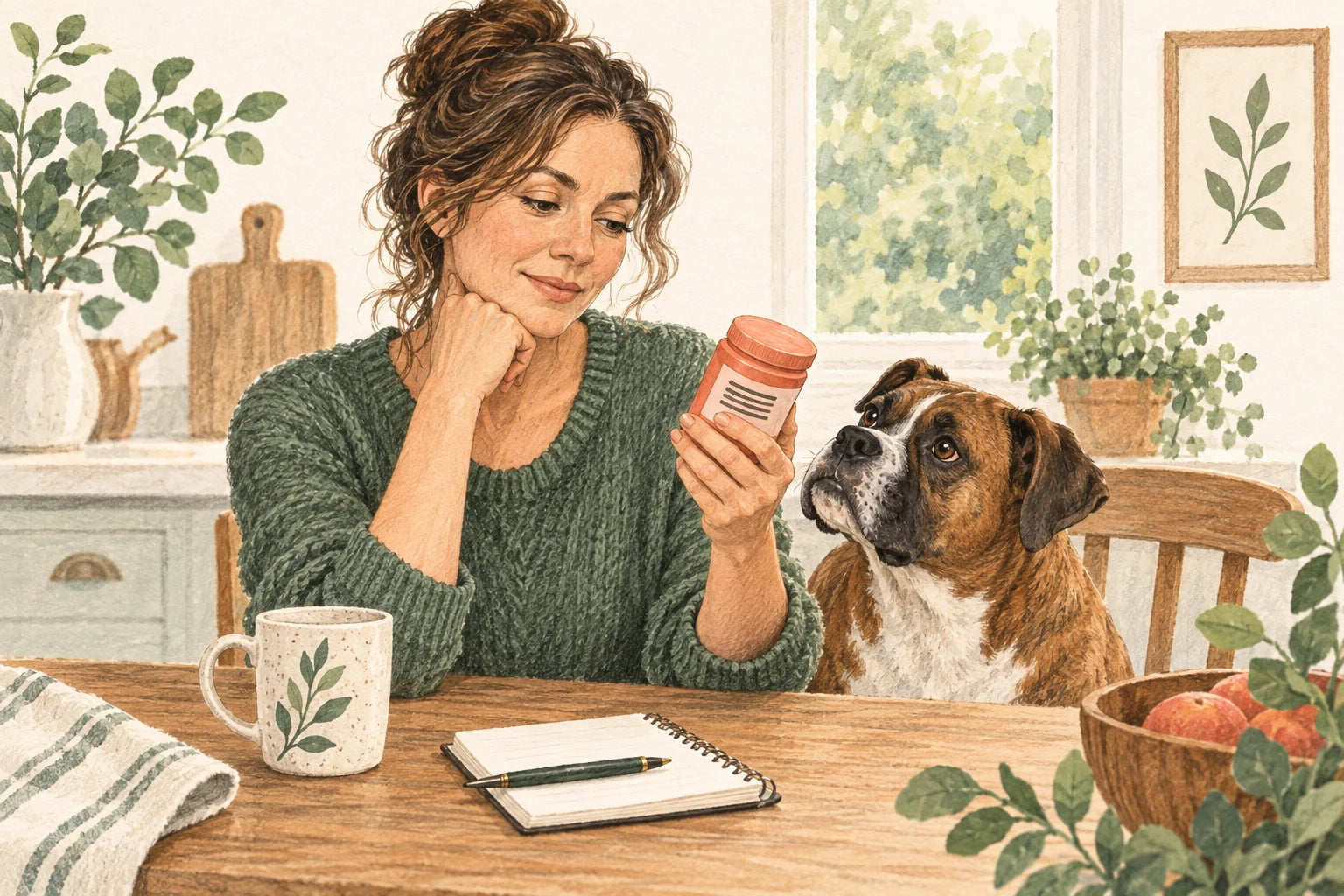
“Is this ok with her food and medicines?” I'd ask your vet that with the label handy. Mention any other supplements she takes too. Then ask what to look out for, and when to check back.
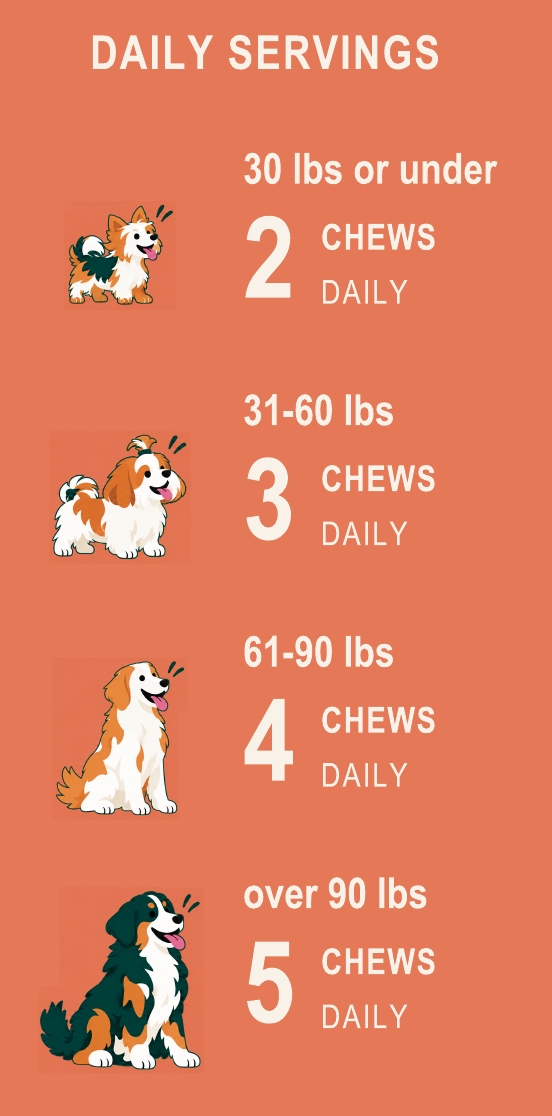
PetNugget lists ingredient amounts per two chews, but a 50 lb dog gets three a day. These are the daily amounts:
What Should I Bring to Our Next Vet Visit?
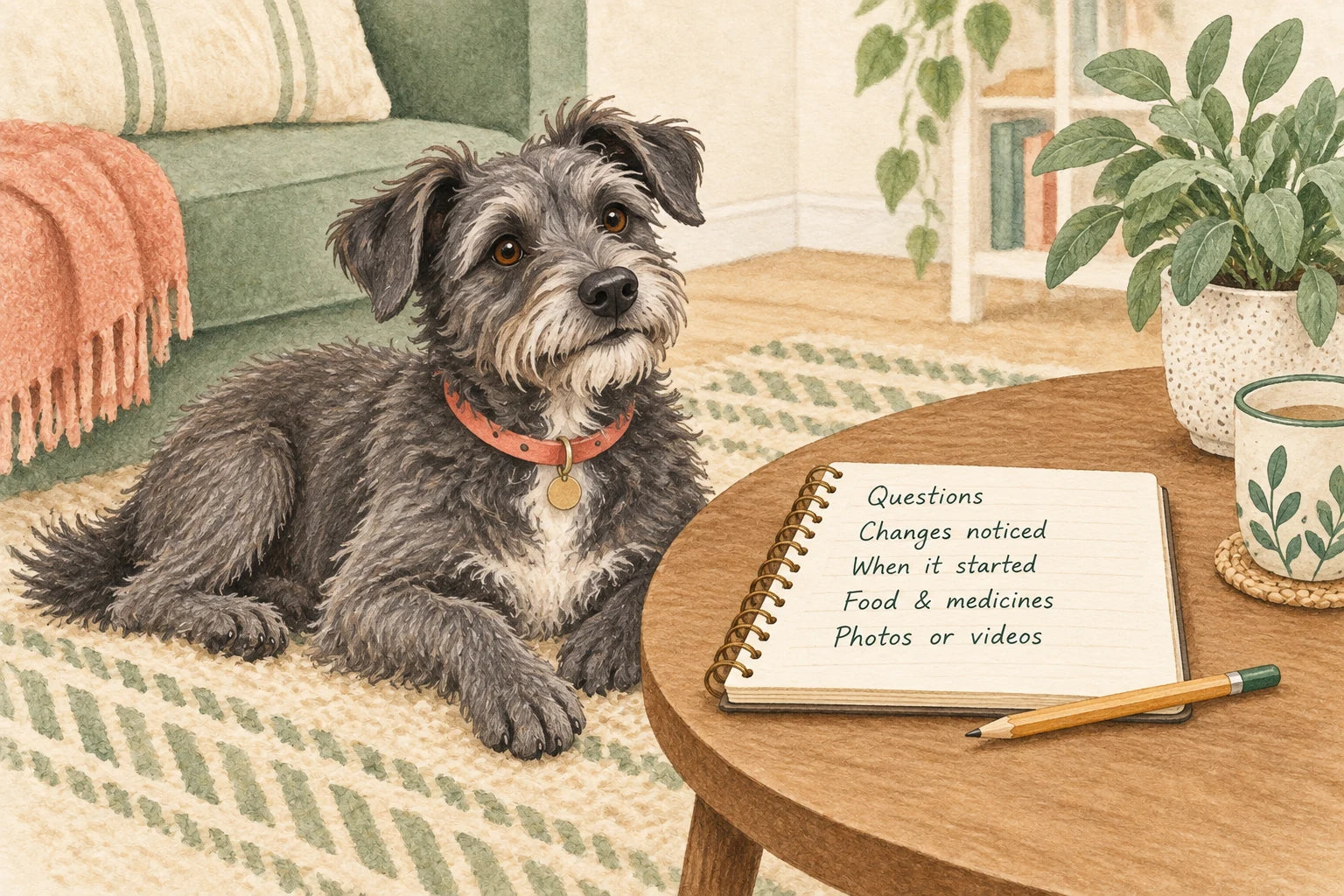
Keep a note on your phone as things come up. You can forget a lot once you’re holding a leash in a busy waiting room.
Write down the changes you’ve noticed and bring photos of food and supplement labels, plus a list of medicines. A short video of an unusual walk or difficulty getting up may help if it doesn’t happen at the clinic. Don’t make your dog repeat anything painful to film it.
Before you leave, make sure you know what to do at home and when the vet wants an update. Having a plan can make the next few weeks feel much less uncertain.