
Routine · 4 min
Can Dogs Eat Papaya? How to Share a Small Taste
A small taste of plain ripe papaya can fit as a treat for a healthy adult dog when you remove the seeds...
 Miki Rapoport
Two UK studies give different Border Collie lifespan figures, and the way each one was measured helps explain what you can take from it as your dog grows older.
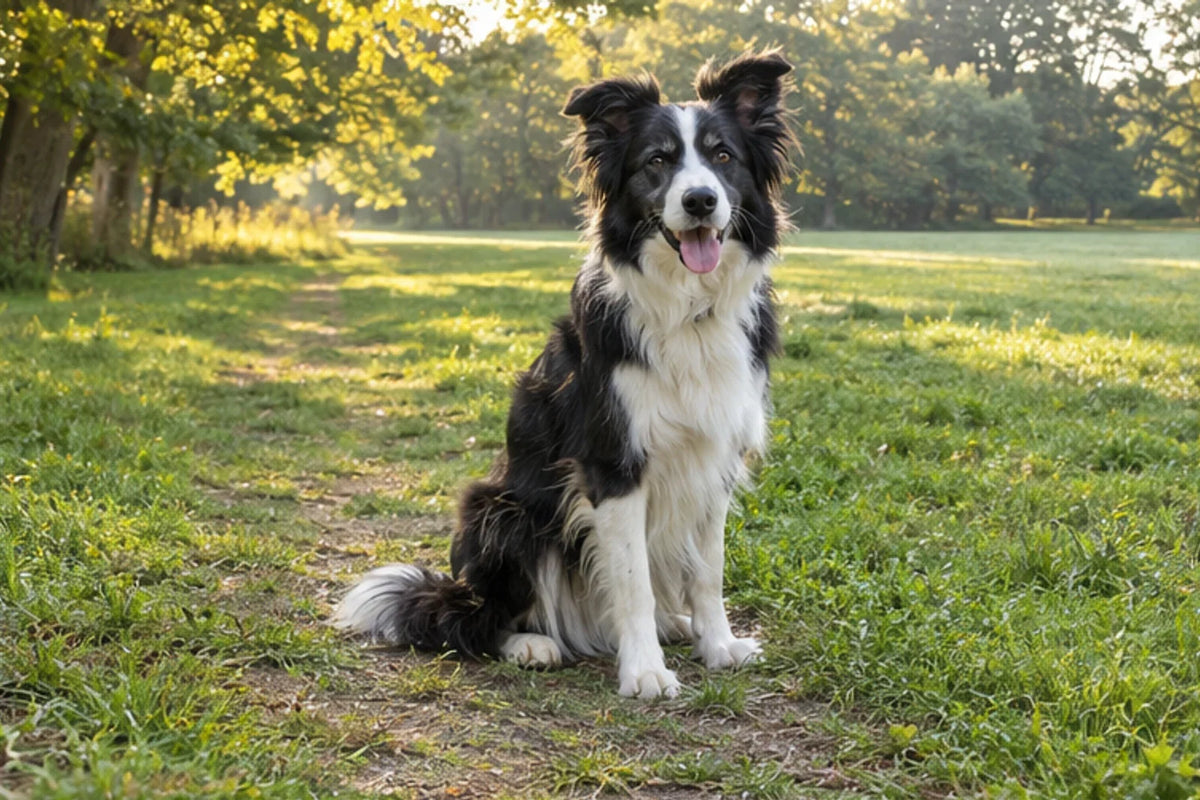

Look up Border Collie lifespan and you’re liable to come across a range and an average. Two UK studies offer more precise figures. Teng and colleagues estimated life expectancy at birth at 12.10 years. McMillan and colleagues reported median survival of 13.1 years. I’d keep the description beside each number when you write it down, even if you only have room for a line in your phone.
Teng and colleagues’ study used UK primary-care veterinary data. It built a life table, which puts together mortality patterns observed at different ages. The Border Collie figure in table 3 estimates the average number of years from birth under those patterns. The reported 95% confidence interval is 11.85 to 12.33 years. Those extra decimal places describe how precisely the researchers could estimate the population figure.
McMillan and colleagues’ study used a different UK dataset assembled from several sources. The 13.1 years in figure 3 describes median survival. On a survival curve, the median is the age where estimated survival reaches half the group. The corrected figure legend retains the Border Collie number.
You may also see 12 to 15 years in the American Kennel Club breed profile. It’s a general breed range. The two studies above used their own populations and methods, so keep all three descriptions distinct if you save them for later.
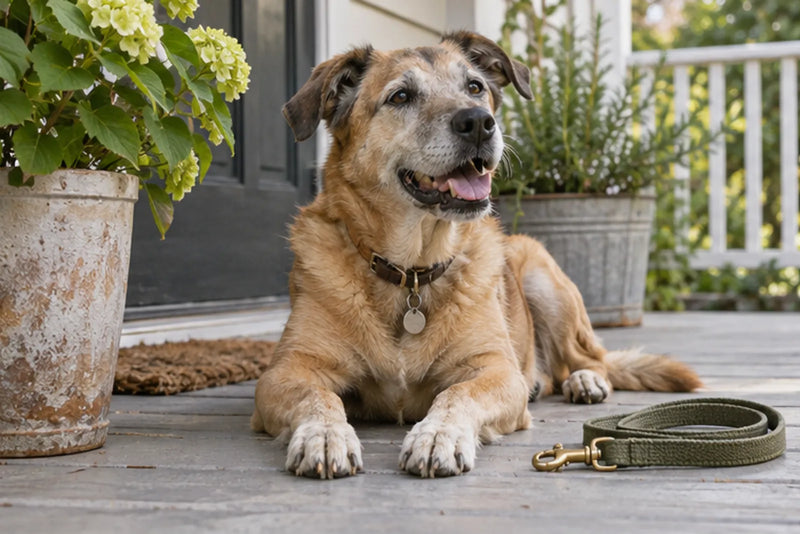
Once your dog has reached ten, she has lived through all the younger ages in the life table. To estimate remaining years at ten, you’d start with the dogs that have reached that age and then look at how that group fares. That’s a different starting point from the one used for a newborn puppy. Subtracting ten from 12.10 gives a number on a calculator and skips the part that makes it a survival question.
This is where it helps to think about why you looked up the breed in the first place. Maybe you’ve noticed she’s taking the step down to the yard more carefully. Maybe she seems much the way she did last winter and you’re planning her next routine visit. Her age and her records are things you can put in front of your vet. A breed figure can sit beside them as background.
Start with the information you have. If you adopted her as an adult and were given an estimated age, write that down as an estimate. If you have a dated veterinary record from when she was younger, bring it. Your vet can consider what’s known about the dog they’re seeing that day.

The studies come from the UK, and they draw on different sources. When you see another lifespan figure, look for the country, the years covered and the type of records. A table with thousands of dogs in total can still have a much smaller number for a particular breed. When you want to understand the estimate for Border Collies, it’s the breed-specific row that earns the closer look. Teng’s table gives the count as 942 dogs for that row. You’ll find it in the last column, beside the figures that come from those records.
The papers were published in 2022 and 2024. Those are dates on the papers. To show the breed had gained a year of life over time, you’d need a study designed to compare comparable groups over time. The figures here come from different measures and samples. They can help you read a breed profile while leaving that question open.
The same rule applies to a Border Collie mix. Teng’s table reports 11.82 years at birth for the combined crossbred group. That row includes multiple sorts of crosses. To get a figure for a particular Border Collie mix, look for an appropriately sized group of dogs with that mix and a clearly stated measure. Neither of these two figures supplies that exact result.
Lifespan is one item on a breed page. Screening is another. The UC Davis Veterinary Genetics Laboratory lists Border Collies among the breeds appropriate for collie eye anomaly testing. It describes wide variability in how the inherited condition is expressed. That information gives you a basis for asking about a test or a result.
If you already have a report, bring the copy that says what was tested. A recollection that a dog was “clear” is hard to use when you’re unsure what the term referred to. Ask your veterinarian what the report covers and whether the history has any gaps worth discussing. The research figures above concern populations and don’t establish a lifespan for an individual with that result.
You can take the same approach to a dog whose parentage is uncertain. Gather what you have from the breeder, rescue or veterinary clinic. Keep dates with the records and note which pieces of the history were estimated. The useful part is giving your vet a document they can read alongside the rest of her history.

A quick phone note is enough for a first pass. Write about the walk she usually takes, the games she chooses and anything that has changed. Put the dates beside the observations. If you have weights from her clinic or a list of what she eats, bring them along. Include any medicines or supplements so you have the names handy during the conversation.
For example, if she’s usually at the door before you pick up the leash and has lately waited on her bed, jot down the mornings when you saw the change. You can describe a small detail like that in a few words. One person in the household may notice a different part of the day, so leave room for them to add what they saw.
Before the visit, pick the question you care most about and put it at the top of the note. If you looked up lifespan because your dog’s routine seems to have changed, ask about that routine first and take the record with you.
 Miki Rapoport
 Tony Cairo
 Miki Rapoport